Lift passes
 Webcams
 Live info



 Useful information
Behind the Scenes of Châtel Honey
A Passion for Bees
For Marcel David, his journey with bees began at a very young age. At just 16, he was already looking after his first colonies. The years have passed since then, but his curiosity is still as strong as ever.
“I’m still learning something new about them every day,” he explains.
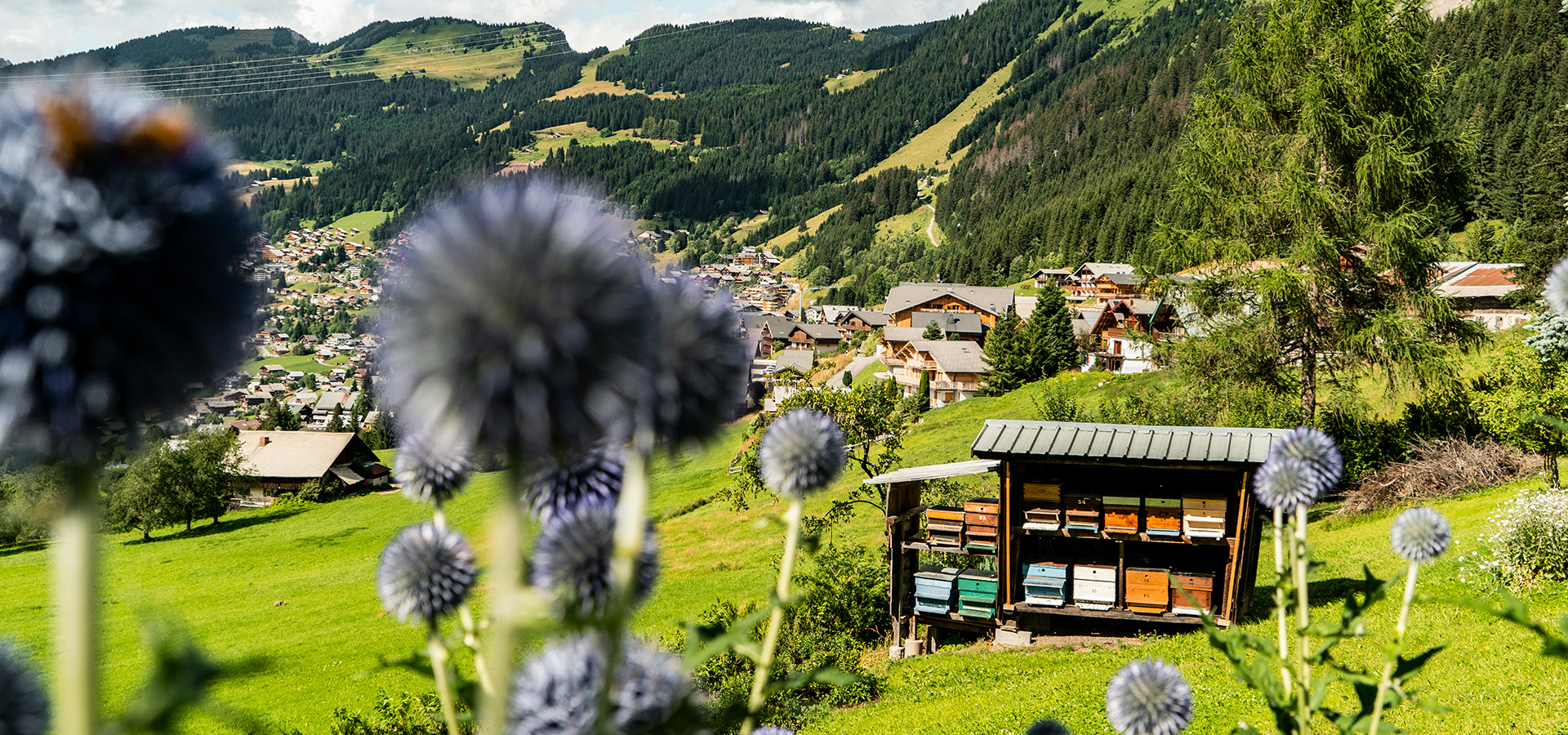
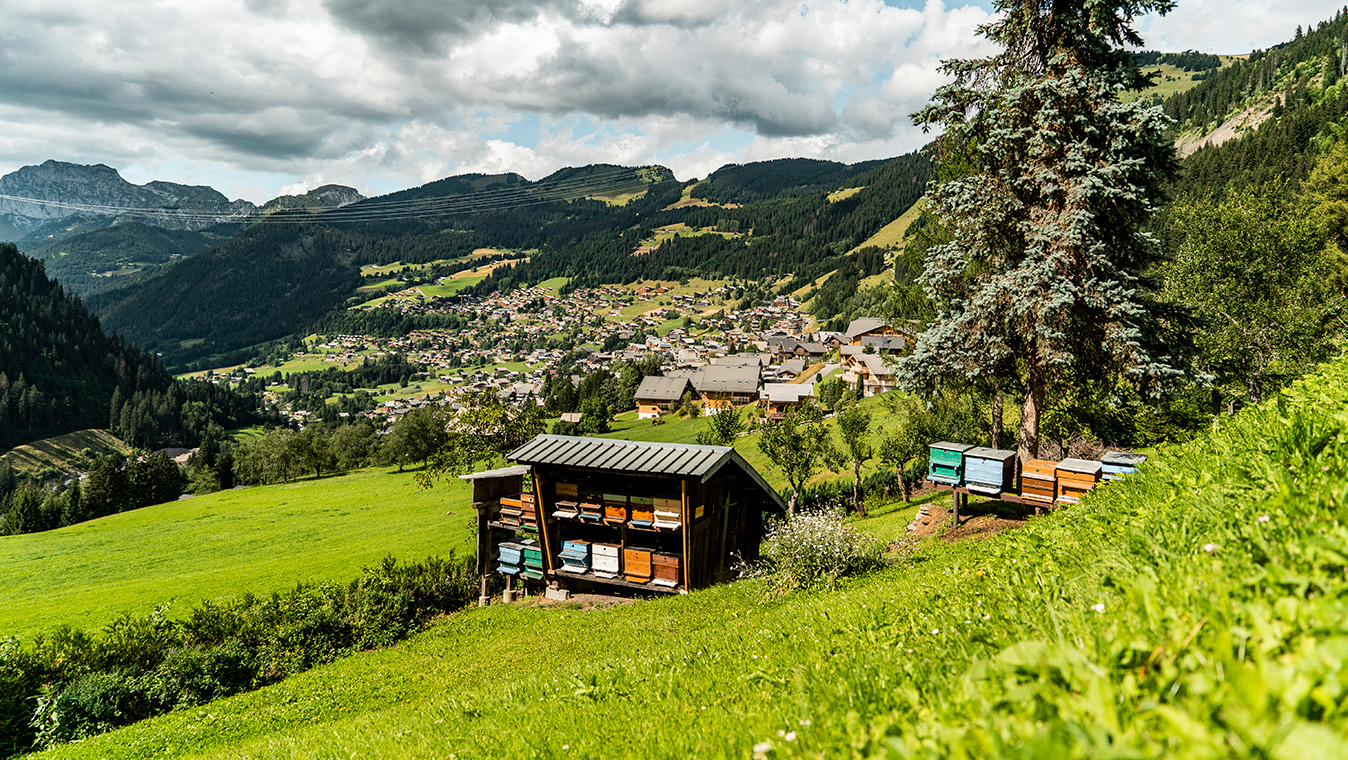
Michelle joined the adventure in 1997 and has shared her passion for beekeeping with her husband ever since, as well as a fascination for these insects whose complex organisation never ceases to amaze. Today, the couple looks after around twenty beehives and nucs (temporary mini-hives created by the beekeeper to raise and mate young queens), small colonies that can, among other things, raise a queen. In total, nearly 800,000 bees populate their apiaries.
A Life Shaped by the Rhythm of the Hive
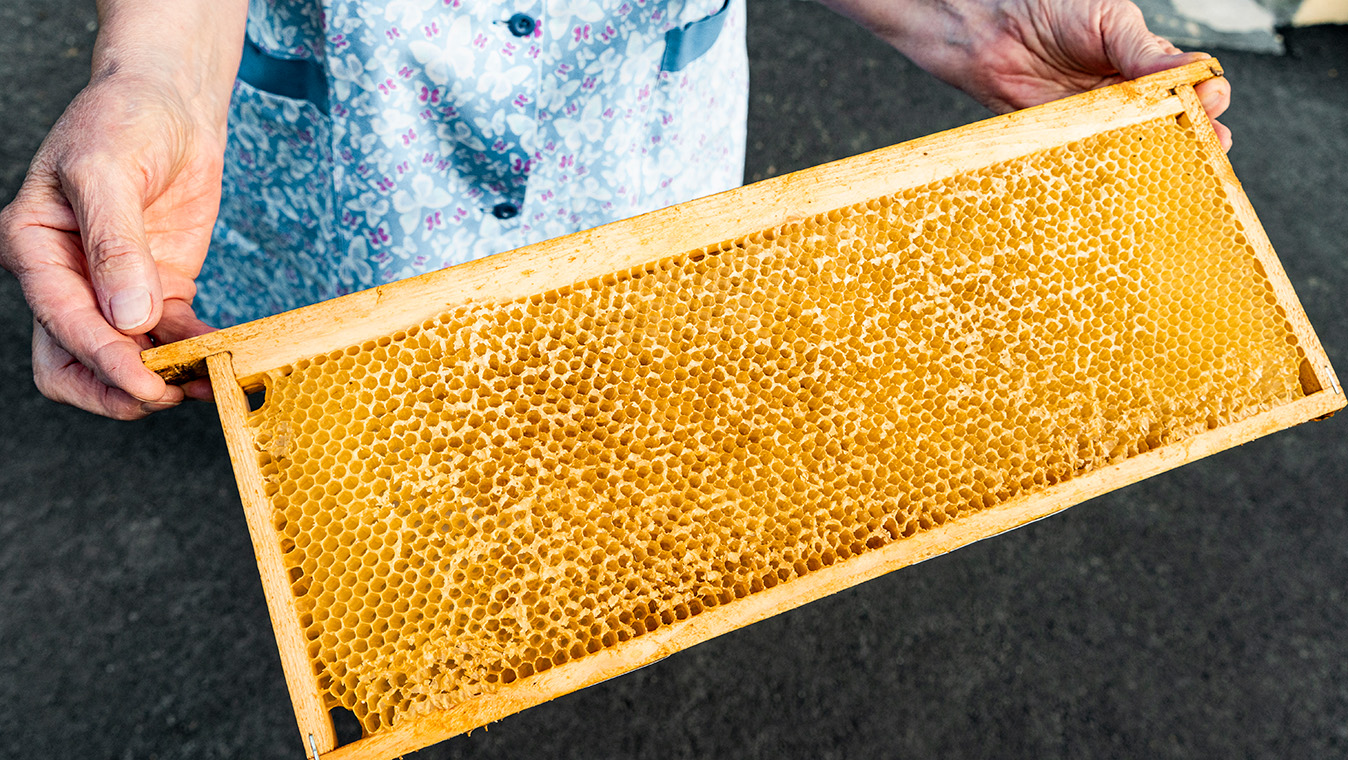
Observing a hive means discovering a true little society. Each bee has a role that evolves throughout its life: cleaning the hive, feeding the brood and the queen, building the honeycomb, ventilating the hive, defending the colony, or venturing out to forage.
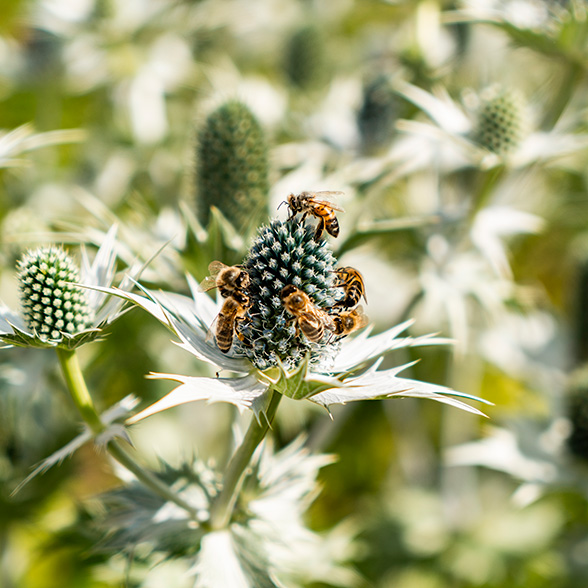
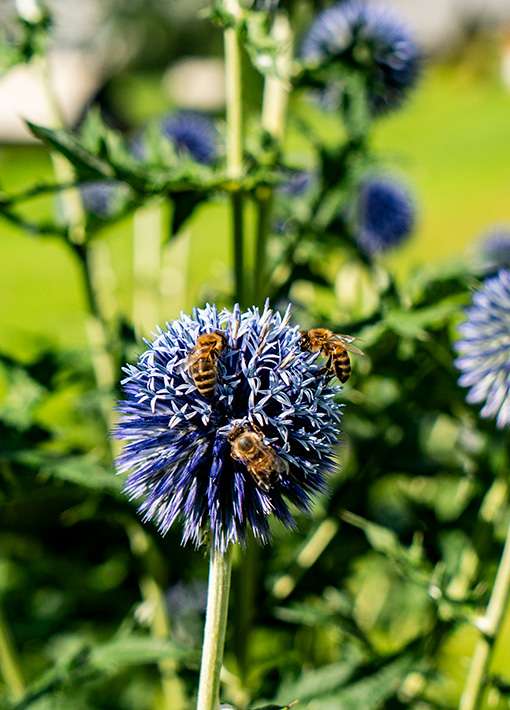
The forager is probably the bee we picture most easily: she leaves the hive to collect nectar and pollen from flowers before returning to share her harvest with the colony. And in a hive, nothing is left to chance. When temperatures rise too high, the bees gather around the queen and fan their wings to keep the temperature constant. In winter, on the other hand, they cluster together and live off the honey reserves built up during the warmer months.
Work in Tune with the Seasons
For the beekeeper, the entire year is therefore shaped by the life of the colonies.
In spring and early summer, swarming may occur, a natural phenomenon that allows a colony to reproduce. A new queen emerges, while the old queen leaves the hive accompanied by part of the colony in search of a new home.
The scout bees then set out to explore the surrounding area. A tree, an abandoned hive, or sometimes even a sheltered spot in a chalet can become the colony’s future home.
For Marcel and Michelle, caring for their bees also means keeping an eye on their food reserves. The honey produced by the colonies is not taken entirely: they need to keep enough food to make it through the winter. When their reserves are insufficient, the beekeeper can supplement them with suitable feed.
When It’s Time to Harvest the Honey
The harvest is, of course, a special moment for the beekeeper. For Marcel and Michelle, it is part of a very personal approach to working with bees: they organise their work according to the constellations and lunar influences.
They therefore favour harvesting during fire, earth and air constellations, while avoiding working inside the hives during water constellations. For them, it is a way of remaining attentive to the different rhythms that shape the life of their colonies.
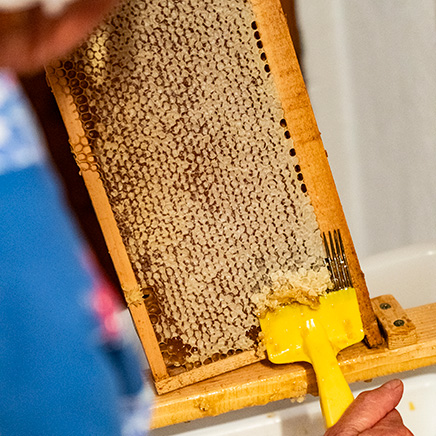
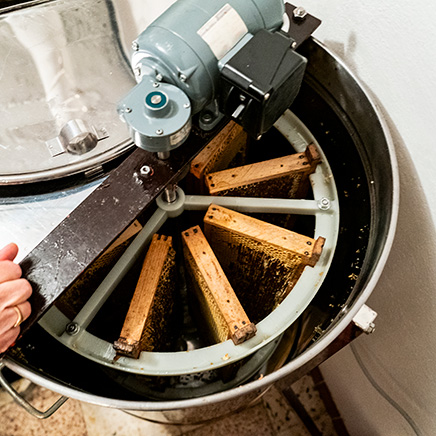
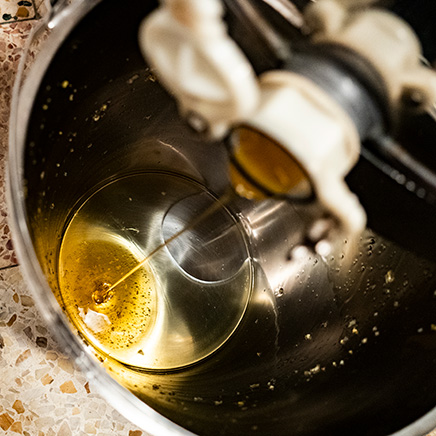
Behind every jar of honey, there is therefore much more than the work of the bees. There is also the beekeeper’s work: observing, supporting, protecting and knowing when to step in at the right time.
In Châtel, this production is deeply rooted in a mountain environment where nature takes centre stage. The bees also play their part in this delicate balance by pollinating the many plants and flowers that shape the landscapes of the valley.
Discovering Marcel and Michelle David’s honey ultimately means discovering another side of Châtel: a quiet, time-honoured know-how passed down with passion, in tune with the seasons and the gentle hum of the hives.